
The three theological virtues
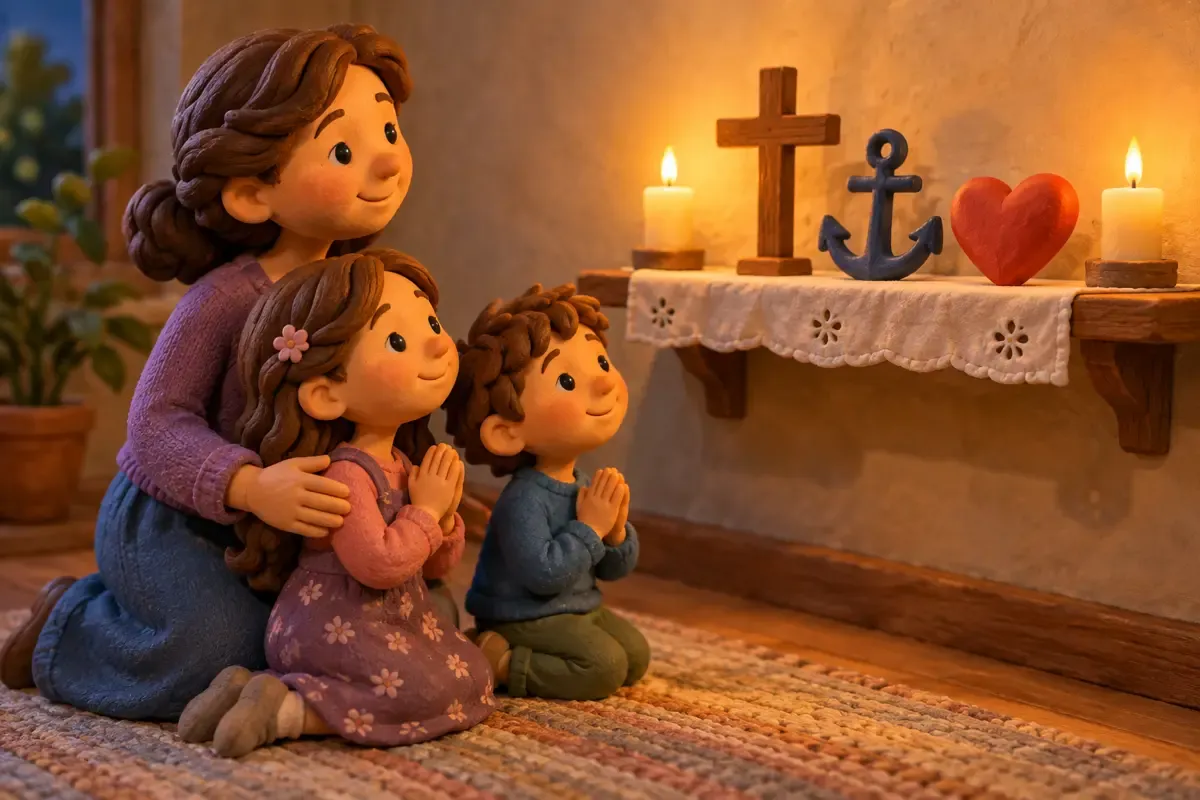
The theological virtues are three: faith, hope and charity. They are called theological because they come from God and lead us straight to him (theos is Greek for God). We don’t earn them by our own effort: God places them in our souls at Baptism, and they grow as we practice them. Saint Paul names them together and says that the greatest of the three is charity (1 Corinthians 13:13).
Faith
Believing in God and in all that he has told us, because he is truth itself and never misleads us. We live it by praying, learning the faith and sharing it.
Hope
Trusting that God wants to bring us to heaven and gives us the help to get there, even when things go wrong.
Charity
Loving God above all things, and our neighbor as ourselves for the love of God. It is the greatest of the virtues, and it gives life to all the others.
The theological virtues are the root of the cardinal virtues, which we gain by our own effort and God’s help. An old set of symbols shows them: a cross for faith, an anchor for hope and a heart for charity.
As a family
At bedtime, each person says one thing for each virtue: something they believe about God, something they ask him for with trust, and someone they want to help tomorrow.
To read more, the Catechism of the Catholic Church, paragraphs 1812, 1813, 1814, 1817, 1822.
The feast that goes with this topic
 September 8Our Lady of Charity of El Cobre
In the app, the lesson “Faith: saying yes to God” in Unit 1 goes with this topic.
More from the catechism
- The Ten Commandments in order, with their Bible verses
- The seven deadly sins and their virtues
- The seven gifts of the Holy Spirit
- The twelve fruits of the Holy Spirit
- The five precepts of the Church
- The seven sacraments of the Catholic Church, in order
- The Beatitudes
- The corporal and spiritual works of mercy
- The four cardinal virtues
- The parts of the Mass