January 1
Mary, Mother of God: what we celebrate on January 1
What do we celebrate on January 1?
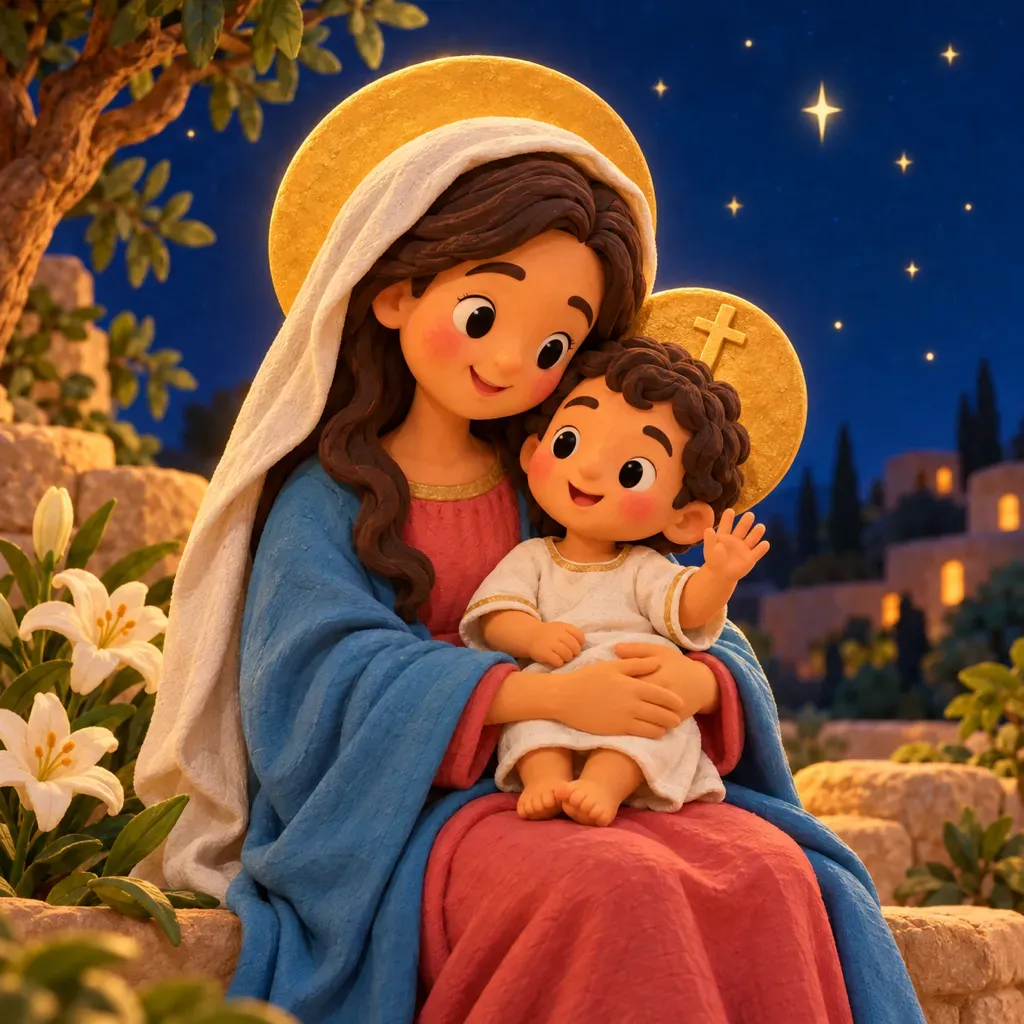
On January 1 the Church celebrates the solemnity of Mary, the Holy Mother of God: the Child born in Bethlehem is the Son of God, and so his mother is the Mother of God. It is the eighth day of Christmas and the World Day of Peace, and in many countries it is a holy day of obligation, so the year begins at Mass and in Mary’s care.
When is it?
- 2027
- Friday, January 1, 2027Holy day of obligation in the United States, Mexico and Spain.
- 2028
- Saturday, January 1, 2028Holy day of obligation in Mexico and Spain. This year it falls on a Saturday, so in the United States the obligation is lifted. Mass is still celebrated.
Why we call Mary the Mother of God
Jesus is one person, the eternal Son of God, who became man in Mary’s womb. A mother doesn’t give birth to a nature but to a person, and the person born of Mary is God. That is why Elizabeth called her the mother of her Lord (Luke 1:43). The title doesn’t mean that Mary existed before God, or that she gave Jesus his divinity: Jesus is God from all eternity. It means that her Son is truly God, and so the title guards the truth about Jesus.
The Council of Ephesus, 431
In the 5th century, Nestorius, the bishop of Constantinople, taught that Mary should not be called Mother of God, only mother of Christ, which split Jesus into a man on one side and God on the other. In 431 the bishops gathered at the Council of Ephesus confessed that Jesus is one person, truly God and truly man, and that Mary is the Theotokos, a Greek word that means the one who gave birth to God. Since then Christians of East and West have called her so, and every time we pray the Hail Mary we say “Holy Mary, Mother of God.”
The eighth day of Christmas
The Church celebrates her greatest feasts for eight days, as if they were one long day, and the octave of Christmas ends by looking at the Mother. The Gospel of the day tells how the shepherds found Mary, Joseph and the Child, how Mary kept all these things in her heart, and how on the eighth day he was given the name Jesus (Luke 2:16-21). Until 1969 this day was kept as the Circumcision of the Lord; with the reform of the calendar, the Church dedicated it again to Mary, as the ancient liturgy of Rome had done.
The World Day of Peace
In 1968 Saint Paul VI asked that the first day of every year be kept as the World Day of Peace, and since then the Pope has written a message for it each year. It fits this day well: Jesus, the Son of Mary, is the Prince of Peace (Isaiah 9:6), and peace in the world begins in hearts and in homes. That is why many parishes pray for peace on January 1.
How it is kept in Mexico, Spain and Latin America
In many countries January 1 is a holy day of obligation, and many families begin the year by going to Mass together, some at a Mass at midnight on December 31, to thank God for the year that is ending and place the new one in his hands. On the last evening of the year many parishes sing the Te Deum, an ancient hymn of thanksgiving. Amid the dinners, the hugs and the good wishes, the feast is a reminder that the year begins with Jesus in Mary’s arms.
As a family
On January 1, before the family meal, pray a Hail Mary together, slowly. When you reach “Holy Mary, Mother of God,” stop and ask Mary to look after the family all year. Then a parent can trace the sign of the cross on each child’s forehead, as a blessing for the year that is beginning.
For the children, from Little Prayer Stories
- Free to print: Nativity coloring page.
- A Christmas gift: Catholic Saints for Boys, 25 true saint stories for children 6 to 12. See it on Amazon
To read more, the Catechism of the Catholic Church, paragraphs 466, 495, 509, 2177, 2305.
Rosal has no lesson for this feast, but “Mary, Mother of God and our mother” in Unit 6 (with Patron) teaches why the Church calls Mary the Mother of God and what the Council of Ephesus confessed, taught by Saint Juan Diego.